Featured reference
011◌ Climate Change & Adaptation
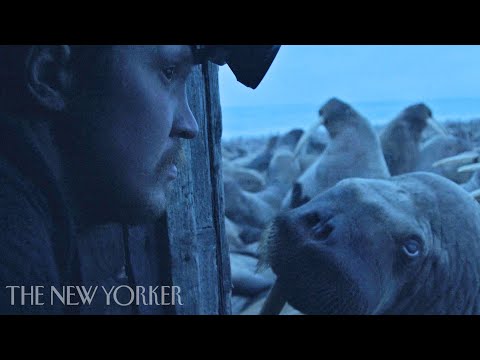
Haulout
How do you communicate climate disruption without explanatory interviews or conventional data?
A field guide to cinematic short films exploring climate change, conservation, environmental justice, biodiversity and the natural world. Start with curated references, then search the collection by subject, story approach or the problem you’re trying to solve.
Films with especially useful approaches to point of view, structure, visual language, sound or environmental framing. Open a film to see what makes it useful as a reference.
How do you communicate climate disruption without explanatory interviews or conventional data?
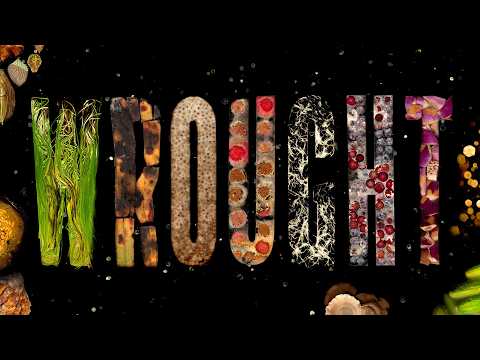
How do you change an audience's emotional relationship to an ecological process?
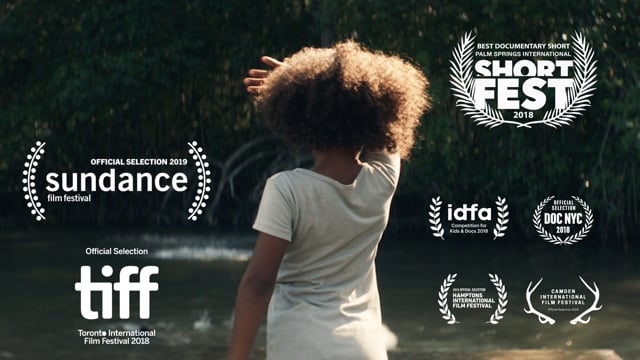
How do you embed climate context inside a simple human milestone?
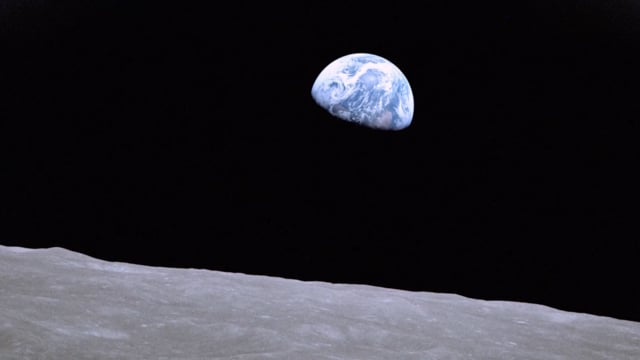
How can a familiar historical image be made emotionally new?
How do you integrate advocacy without allowing the campaign message to flatten the film?
How do you make an abstract water-energy-food nexus feel human without simplifying the competing livelihoods inside it?
How do you tell a solutions story without turning it into a technology profile?
How do you connect conservation to identity and representation without making either feel secondary?

How little explanation is actually necessary for a climate story to register?
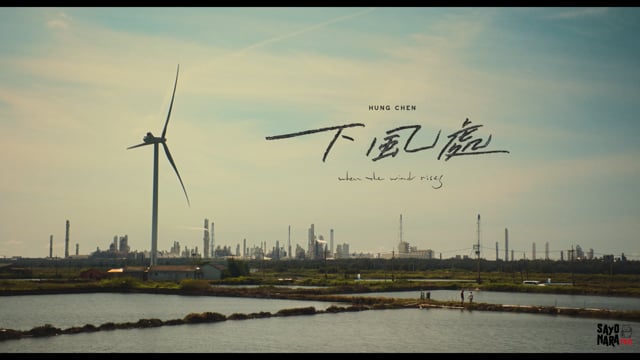
How do you dramatize climate/environmental policy when community members have legitimate competing needs?
How do you communicate climate disruption without explanatory interviews or conventional data?

How do you make historical environmental injustice feel present rather than archival?
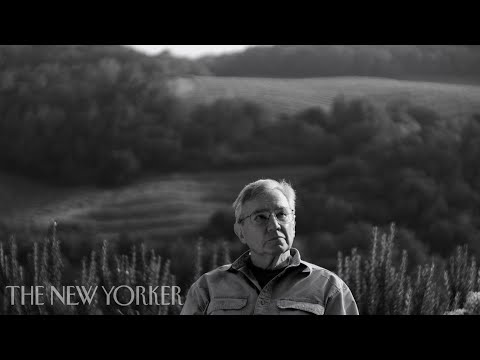
How do you make ecological loss perceptible when much of the evidence is invisible?
How do you change an audience's emotional relationship to an ecological process?
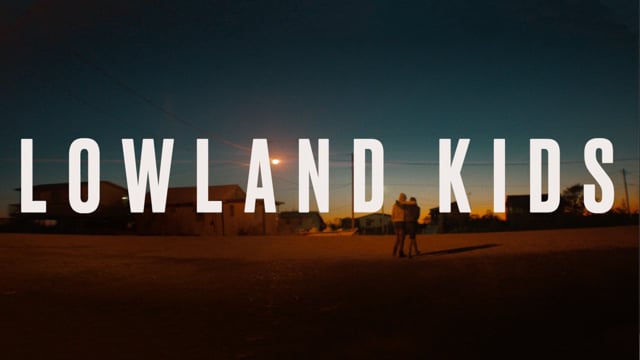
How do you humanize future climate displacement without turning characters into symbols?
How do you embed climate context inside a simple human milestone?
How can a familiar historical image be made emotionally new?
How do you integrate advocacy without allowing the campaign message to flatten the film?
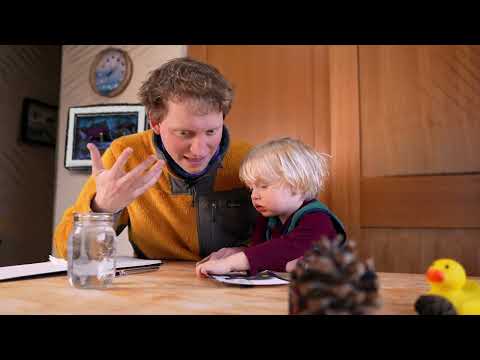
How do you make sponsor-backed climate storytelling feel personal rather than promotional?

How do you tell a climate story when the observed species is unexpectedly thriving?

How do you make incremental climate loss visible and emotionally memorable?
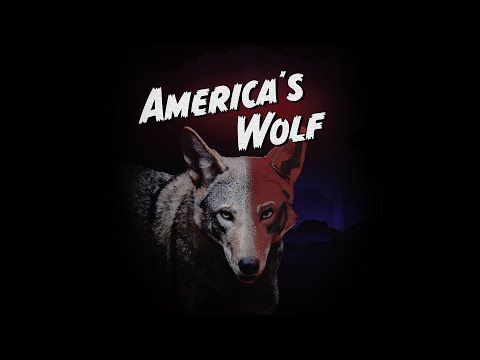
Iconic species plus a very short runtime may offer a strong model for compressed conservation storytelling.
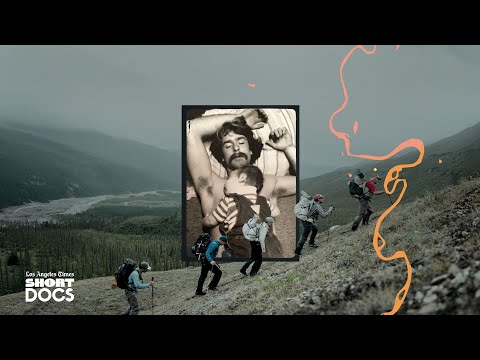
Contemporary Arctic research with strong landscape and expedition potential.
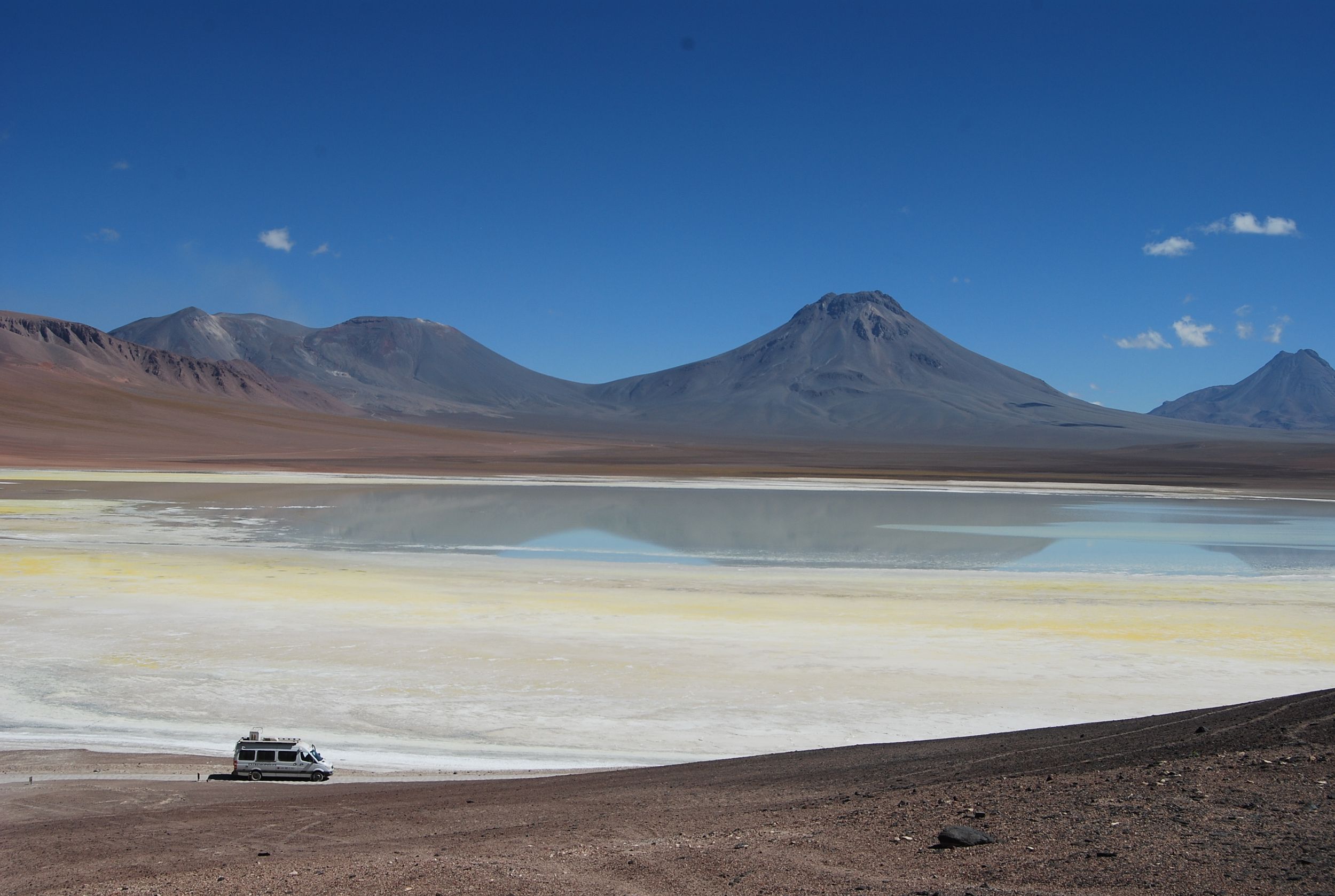
Makes an invisible scientific world cinematic, potentially useful for environmental/science visualization techniques.
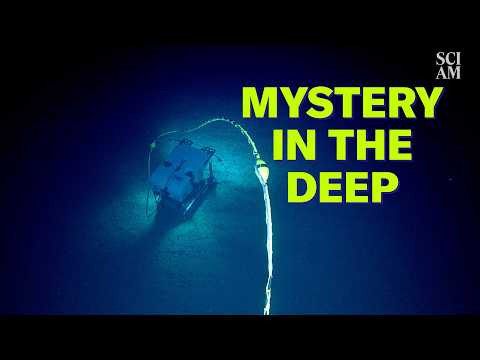
Emerging policy/extraction issue with strong visual and ethical tension.
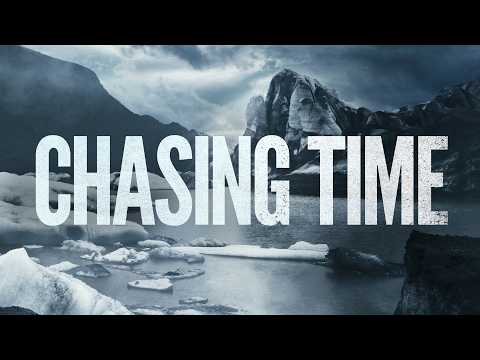
Longitudinal visual evidence and reflective legacy structure.
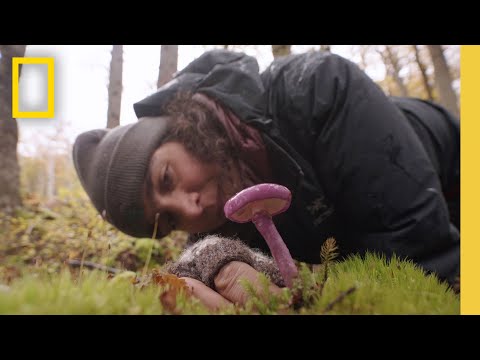
Conceptually fresh focus on fungi and the politics of what conservation language includes.
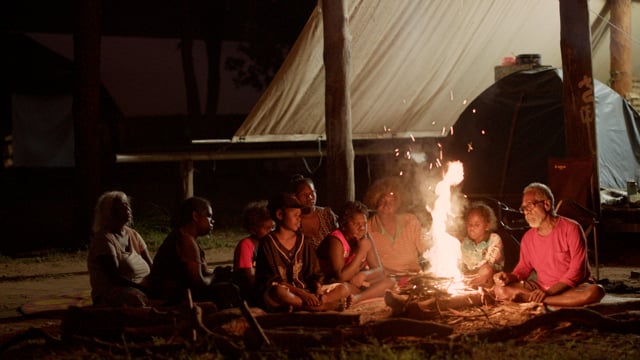
Indigenous knowledge and land management offer a solutions frame grounded in lived stewardship.
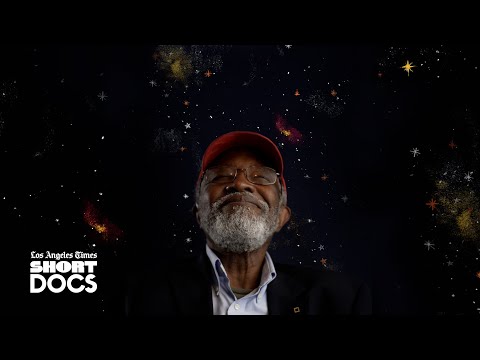
Singular protagonist and radical life choice create a strong biographical narrative engine.
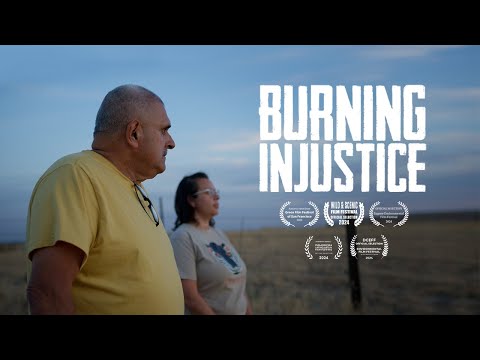
Issue-driven short with frontline community stakes.